
INSECTS & SPIDERS
Wild Stroud is home to some incredible species in the South Downs National Park.
BEES
We see many bee species from bumble bees through to the smaller solitary mining bees.
Of the bumble bees we have the colourful early bumble bee and tree bumble bee. Other bumbles include the red-tailed, buff-tailed and common carder bees.
In addition are a host of other bees including the honey bee, ivy bee, ashy mining bee, tawney mining bee, red mason bee, blue mason bee, patchwork leaf-cutter bee, sharp-tailed bee, and various nomad bees.
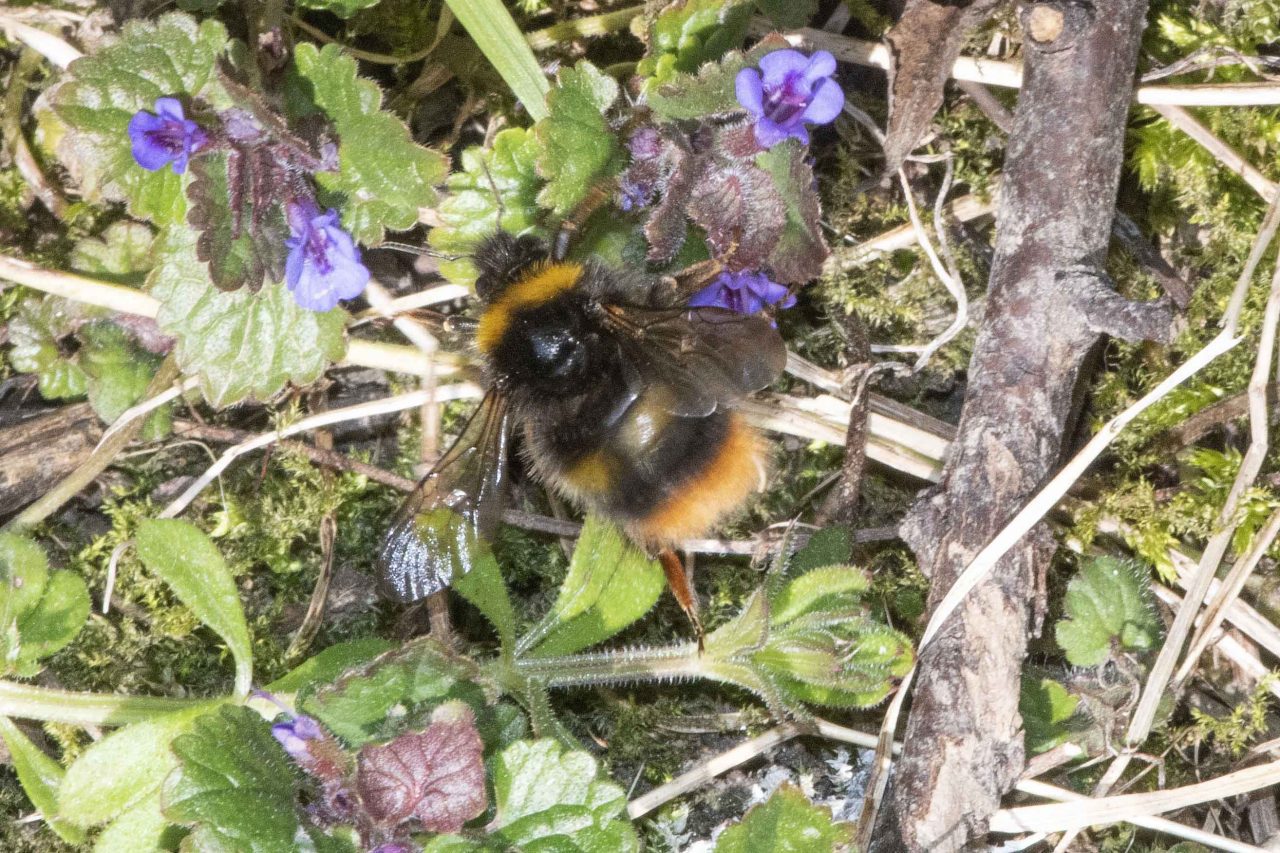
EARLY BUMBLE BEE
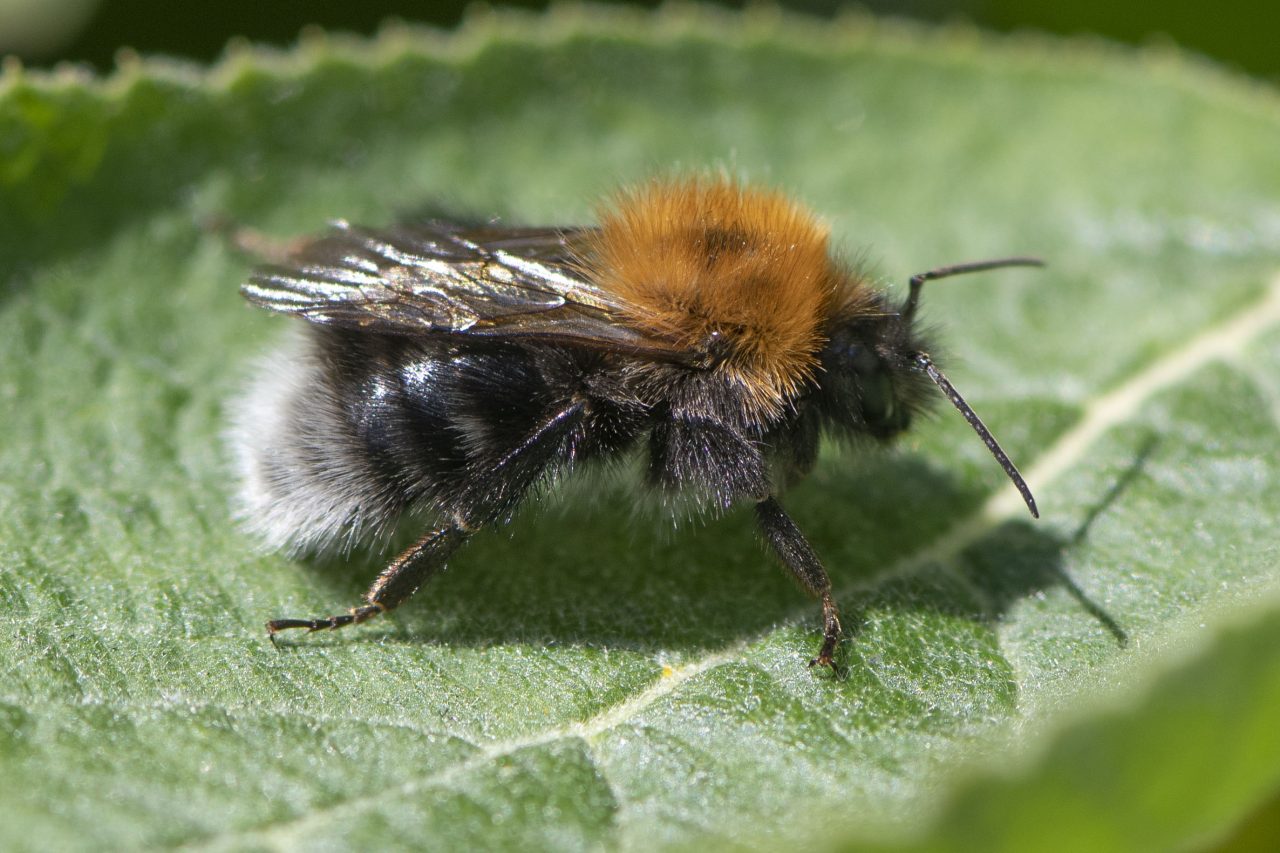
TREE BUMBLE BEE

RED MASON BEE

BUFF TAILED BUMBLE BEE

COMMON CARDER BEE
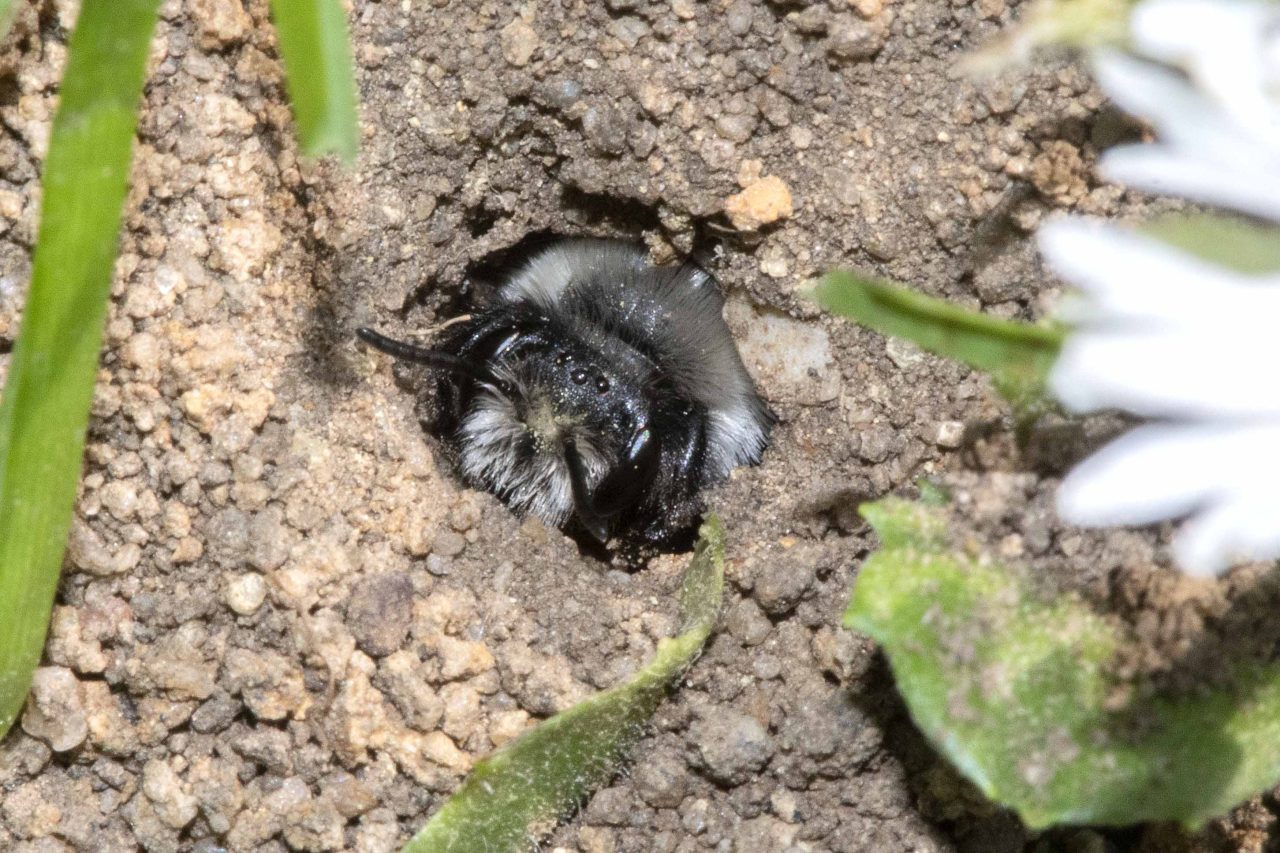
ASHY MINING BEE
OTHER INSECTS
There are so many other insects found in Stroud including many dragonflies, beetles, wasps, ichneumon flies, hover and other true flies, scorpion flies, mayflies, caddisflies, earwigs, bush-crickets and grasshoppers, lacewings, ants, and many true bugs. Too many to list individuals here.
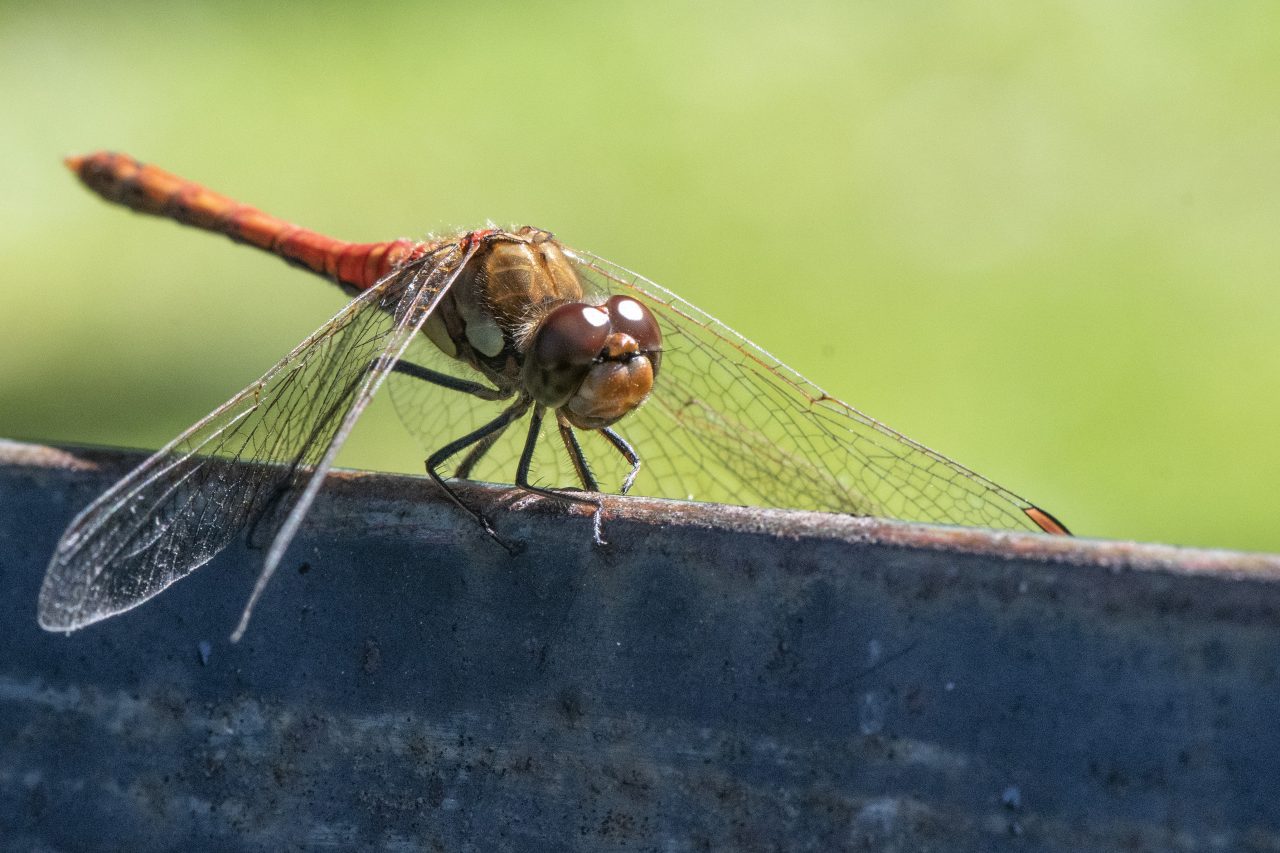
DRAGONFLIES

BEETLES

WASPS

ICHNEUMON FLIES

CADDISFLIES
EARWIGS

BUSH-CRICKETS

GRASSHOPPERS

LACEWINGS
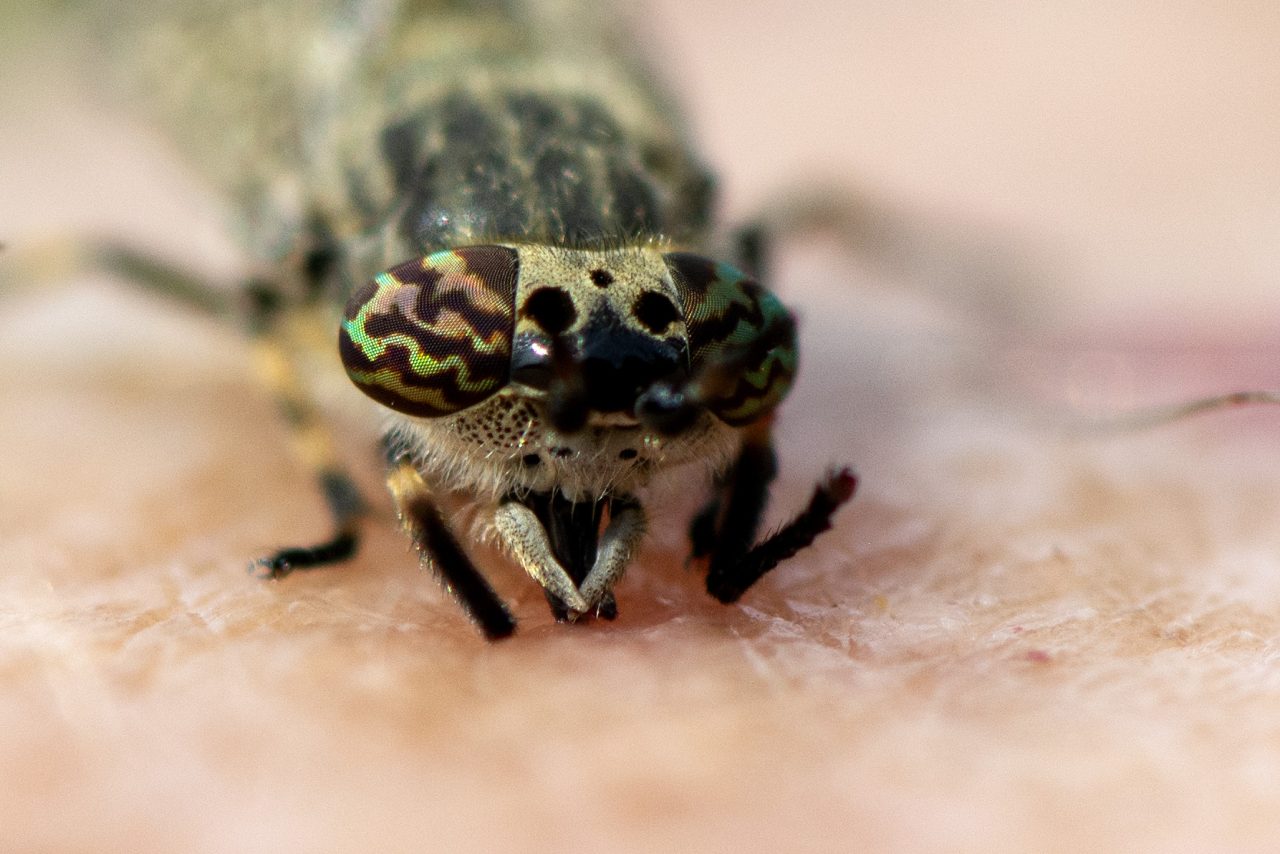
CLEGG HORSEFLY
Normally feeding on livestock, this clegg found my bare skin on the village green and took a nourishing drink of my blood.
ANTS
SPIDERS
Not everybody likes a spider, but they are fascinating creatures all the same. We have many different spiders in the parish, they live in our homes, outbuildings, our gardens, hedgerows, and open countryside.
On a sunny day in winter, we see shimmering sheets of webs across grass fields where money spiders have been ballooning into new territories. In our houses and sheds we have several species of large house spiders that we see running across our floors and also their predators the long-legged cellar or daddy-long-legs spiders. Look out also for mouse spiders and false widow spiders. The tiny zebra jumping spiders run around our outside walls where they are warmed by the sun.
On the sides of our sheds, we find the small missing-sector spiders and the flattened walnut orb weaver. Many spiders find our gardens and open spaces attractive including the garden spider, the four-spotted orb-web spider in its various colour forms, marbled orb-web spiders, and others. Out in the open will be wolf spiders and nursery web spiders, labyrinth spiders, and more.
I must mention the spectacular and very large wasp spider with its black and yellow stripes and although I have never seen one in the parish, I have seen one only about 2-3 metres outside of the parish boundary and on the verge alongside the Winchester Road not far from the A3 junction.
Sitting on ox-eye daisies and below thistle flowers we find flower crab spiders waiting for insects to land, trip their web strands, and be caught. Most are white to match white flowers, but they can be greenish, mauve, or even bright yellow, mimicking the colours of other flowers.
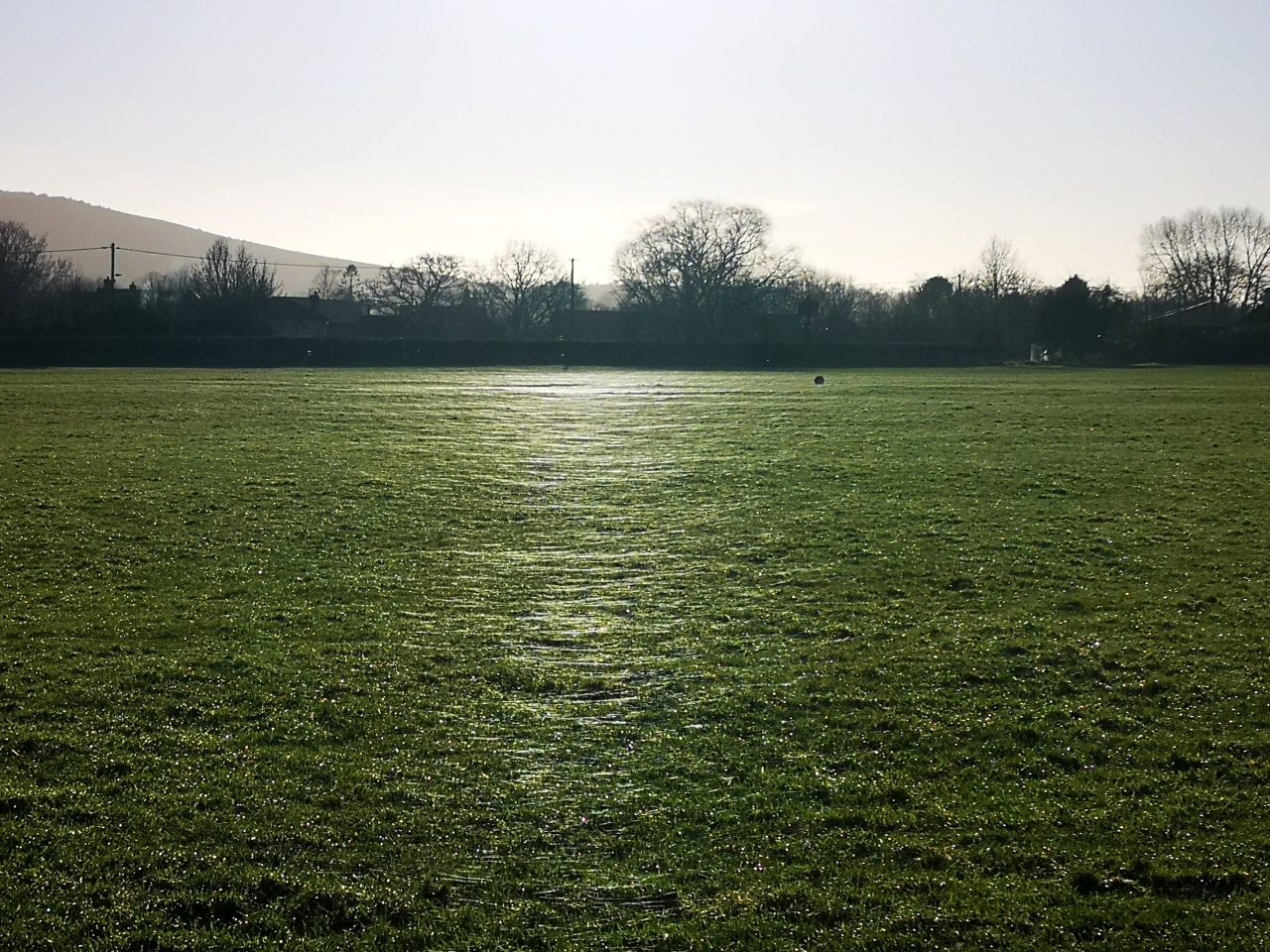
MONEY SPIDER SILK THREADS
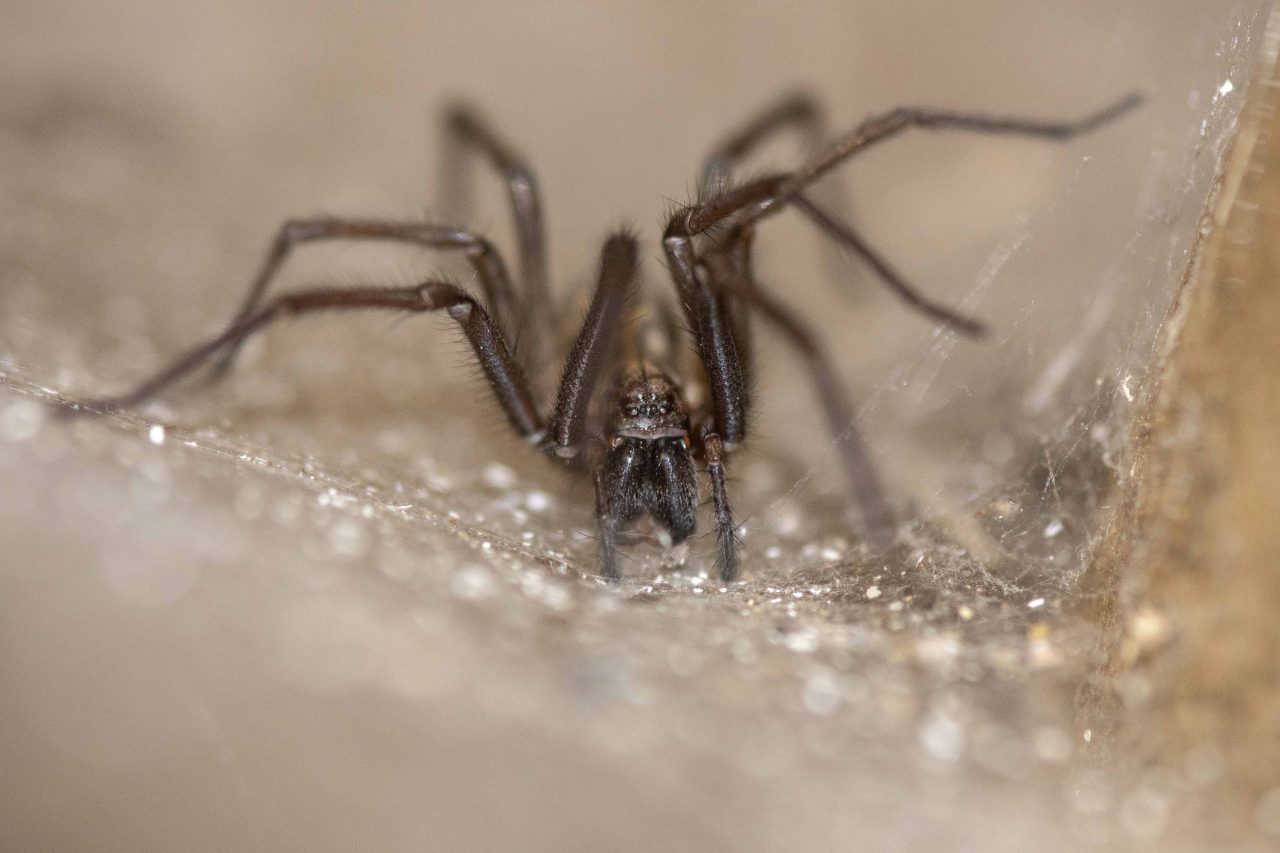
HOUSE SPIDER
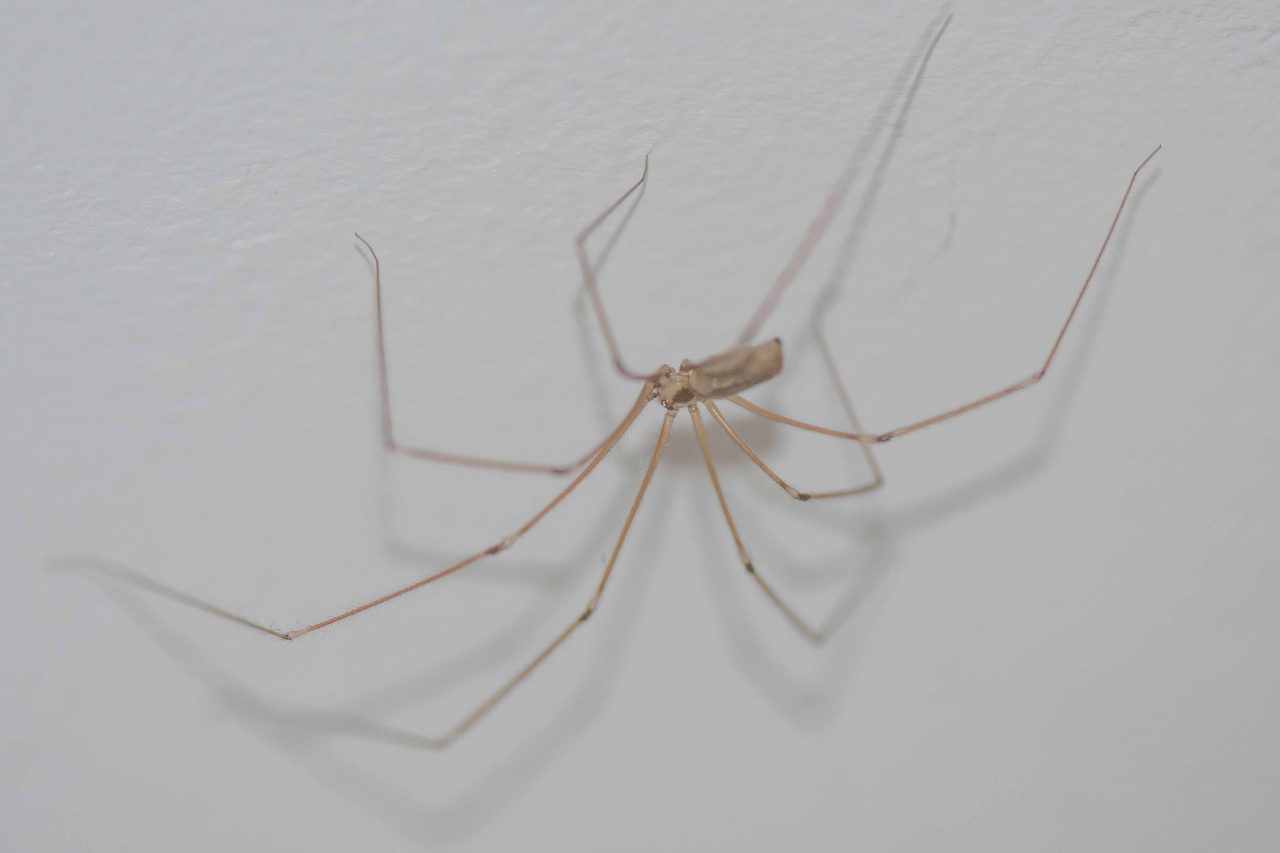
CELLAR OR DADDY LONG LEGS
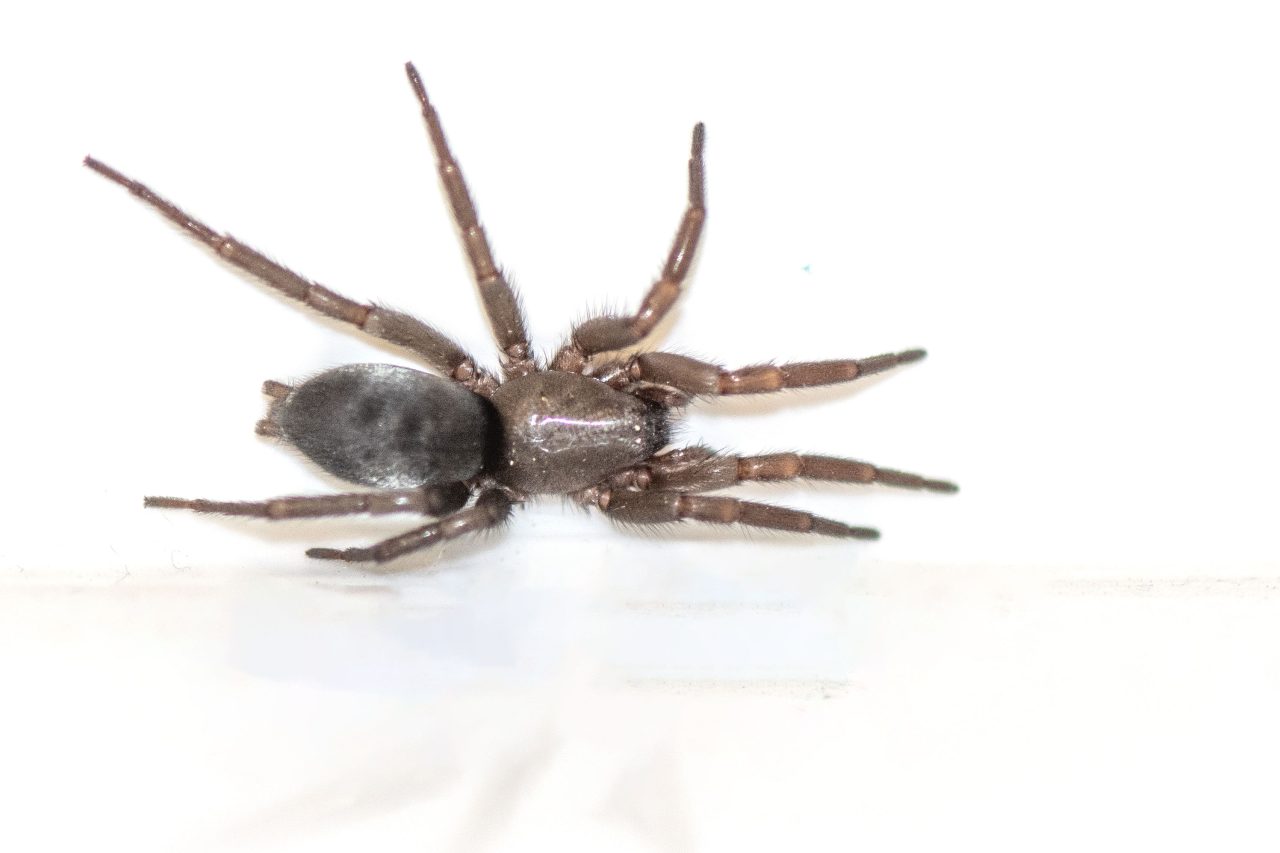
MOUSE SPIDER
FALSE WIDOW SPIDER
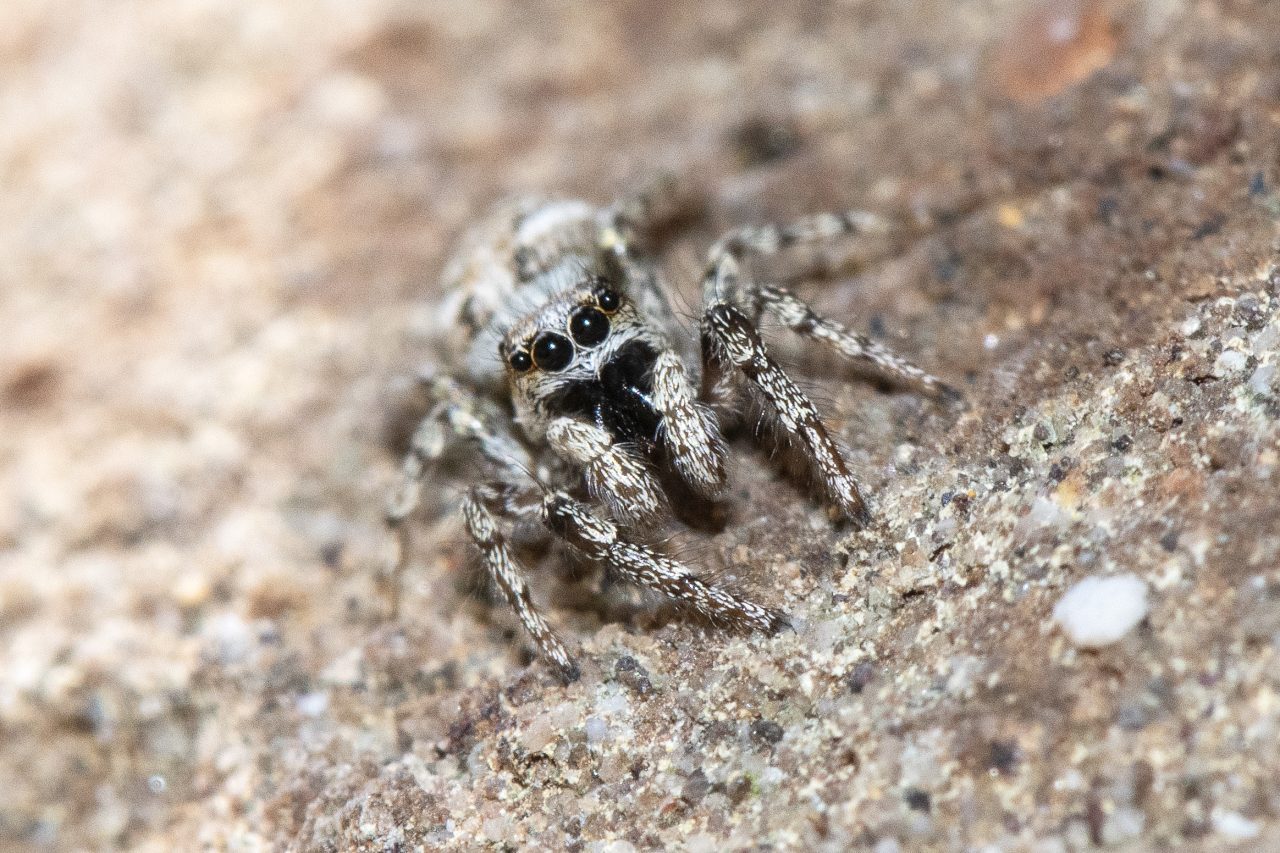
ZEBRA JUMPING SPIDER

MISSING SECTOR SPIDER
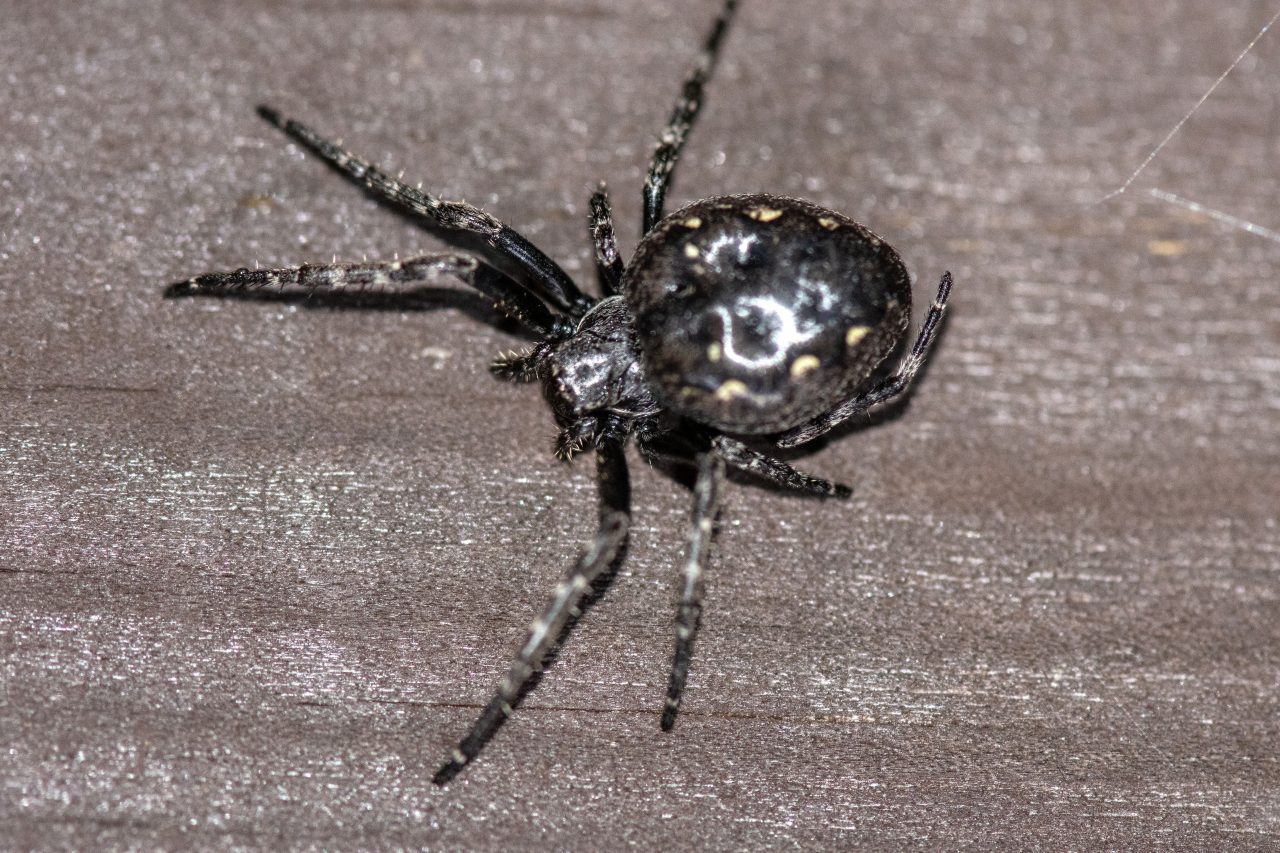
WALNUT ORBWEB SPIDER

GARDEN SPIDER

FOUR SPOTTED ORB-WEB SPIDER
MARBLED ORB WEB SPIDER
WOLF SPIDER
NURSERY WEB SPIDER

LABYRINTH SPIDER
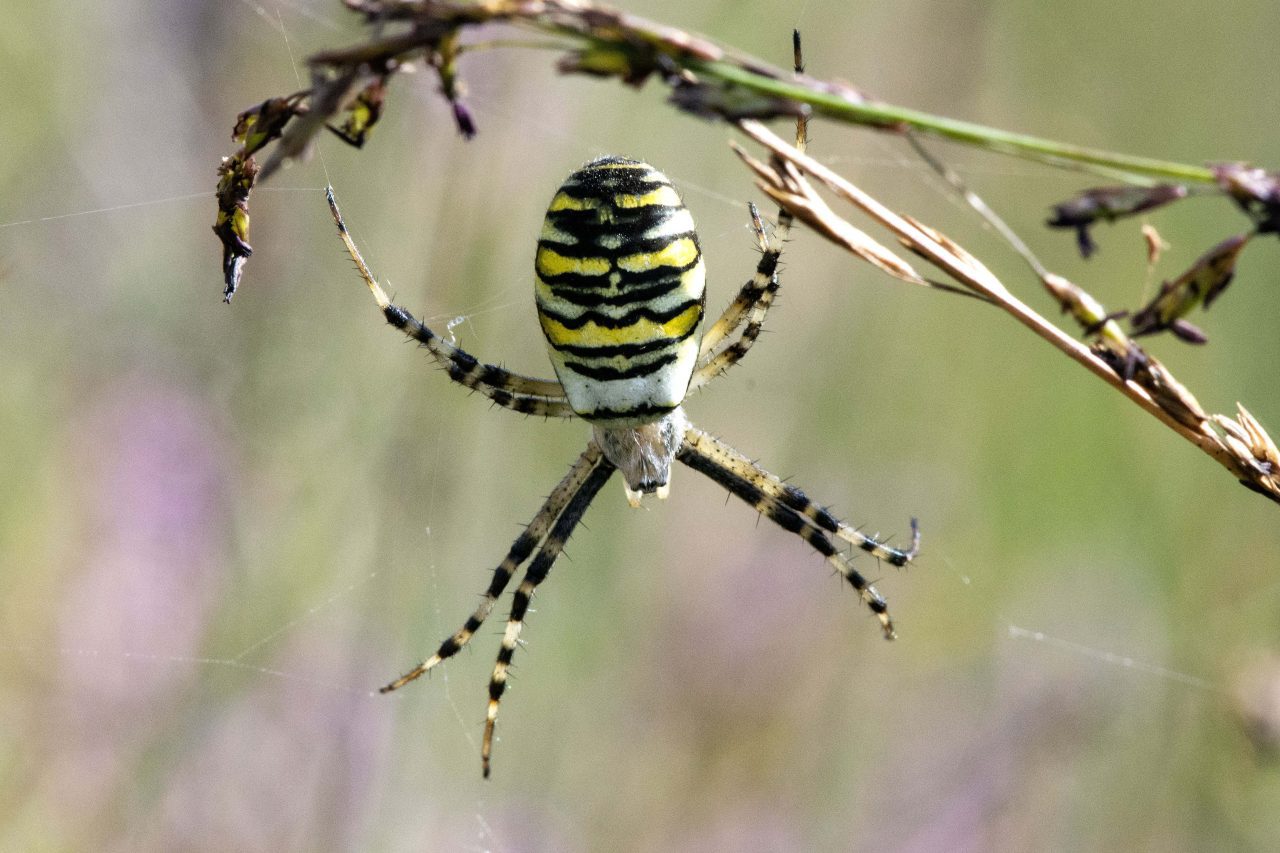
WASP SPIDER
The wasp spider is a Mediterranean species first found in the UK in the 1920s. I have seen one 2-3m outside of our parish boundary but not yet within. This photograph was taken on Petersfield Heath where there is a strong colony.

CRAB SPIDER
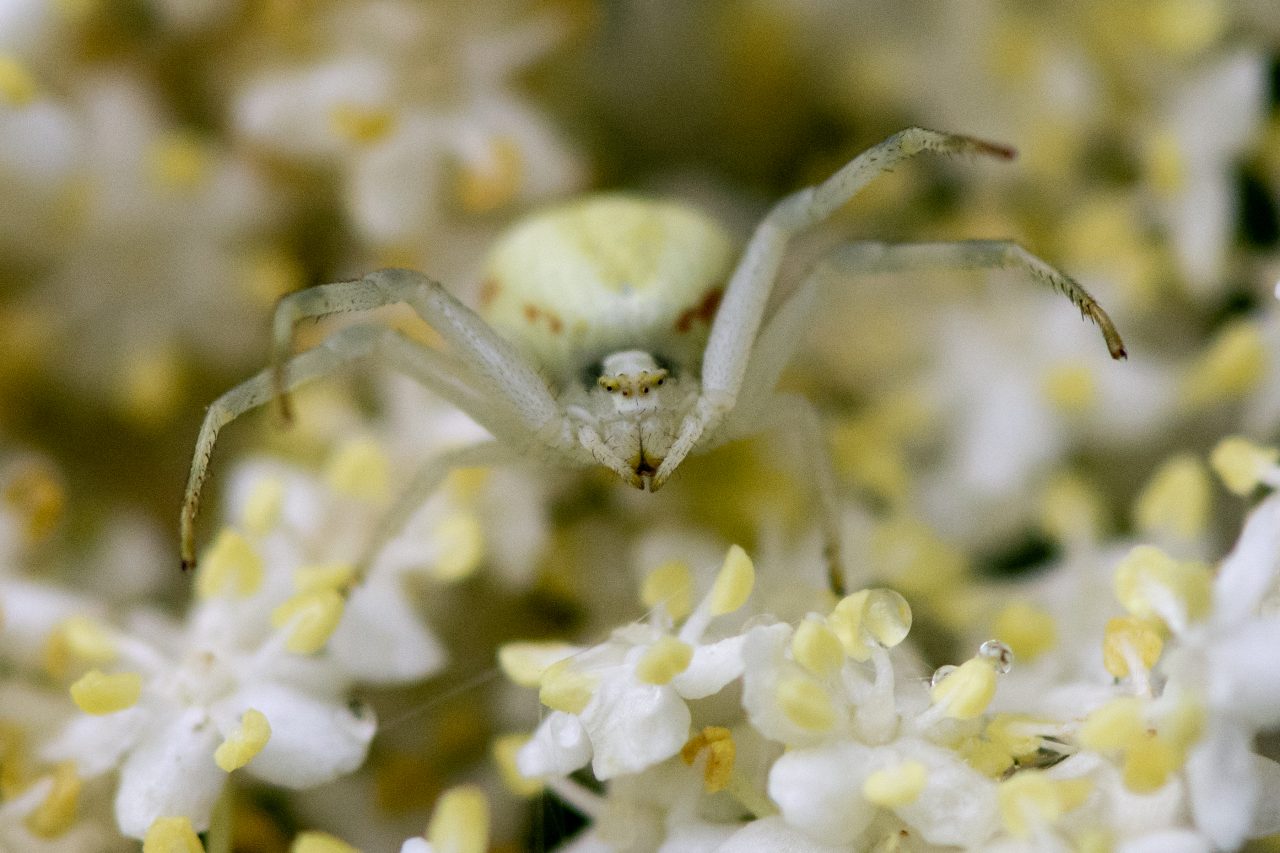
FLOWER CRAB SPIDER
HARVESTMAN
Harvestman look like spiders having eight legs but have rotund bodies where their head, thorax and abdomen are fused into one (whereas spiders have a combined head and thorax and a separate abdomen) and many have very long legs and hunt for smaller prey in grassland and woodland leaf litter. There are many species in the parish, and some can found by taking a torch out at night.
